
Money
What’s Inside a Cosmetology Kit — and What You Actually Use
By Maiquela’s Cosmetology Academy6 min read
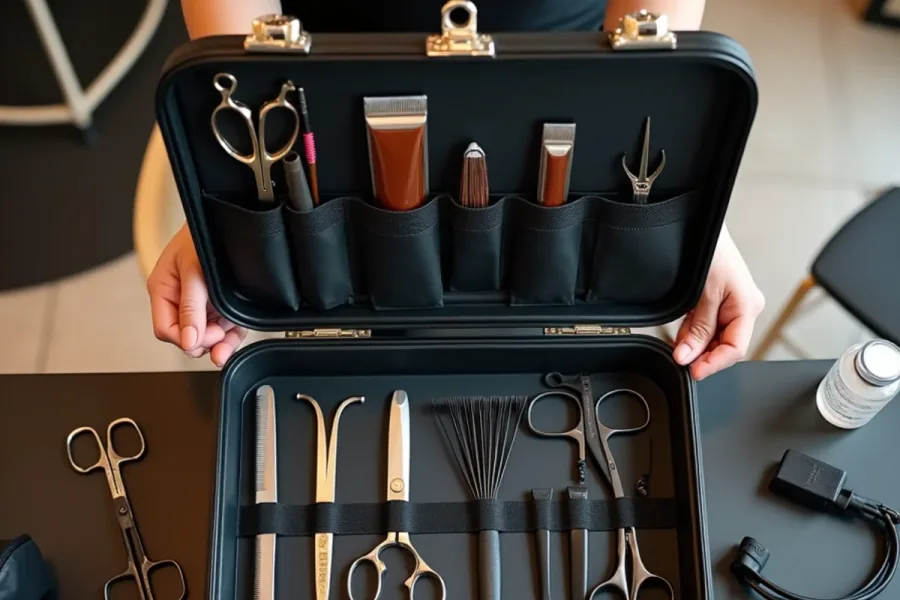
A cosmetology kit typically contains cutting and texturising shears, a clipper and trimmer, mannequin heads, sectioning clips, combs and brushes, colour bowls and brushes, a cape, a blow dryer and thermal tools, and a rolling case. Shears, combs, clips and mannequins get daily use; specialist items often do not.
The kit is the second largest line in a beauty school budget after tuition, and it is the one students have the least information about before they commit. So here is an honest inventory: what is usually in a cosmetology kit, what earns its place, and what tends to sit in the case.
The tools you will use every single day
- Cutting shears. Your primary tool. A well-made pair holds an edge, cuts cleanly and does not fight your wrist over a long day. This is the item worth spending on.
- Sectioning clips. Unglamorous and constant. You will lose them and want more.
- Cutting comb and wide-tooth comb. In your hand for most of every practical hour.
- Mannequin heads. Every cutting and colour pattern gets drilled here first. You will get through more than one — human-hair mannequins that take colour cost more than synthetic ones and are worth it when you reach the colour block.
- Water bottle and cape. Basic, essential, replaced when they wear out.
The tools you use often, but not daily
- Texturising and thinning shears. Important for finishing, easy to overuse. Used far less than cutting shears.
- Clippers and trimmers. Heavily used if you lean toward short cutting and barbering technique; lighter use otherwise.
- Colour bowls, brushes and foils. Constant during the colour block, quiet outside it.
- Blow dryer and round brushes. Finishing work, several times a week.
- Flat iron and curling tools. Styling and set work.
The items that often stay in the case
This varies by student and by where your interests land, but there is a consistent pattern. Specialist implements included for completeness — an unusual comb, a niche brush, a tool for a technique you never gravitate toward — frequently go unused.
That is not necessarily waste. Kits are assembled to cover a full curriculum, and the state hour requirements cover techniques you may never specialise in but must still be trained on. It is worth knowing so you do not expect to use every item equally.
Where to spend and where not to
Clippers are the second place quality shows. Underpowered clippers cost you speed and blending quality, and students who buy at the bottom of the range frequently replace them mid-program — spending more in total than a decent pair would have cost.
A rolling case is worth it if you commute by bus. Carrying a full kit by hand twice a day is genuinely miserable and it is the sort of small friction that wears people down over months.
Kits by program
- Cosmetology — the broadest kit, covering hair, skin and nail tools.
- Manicurist — acrylic liquid and powder, gels, brushes, files, an e-file, a lamp, practice hands, implements. Product-heavy and consumable.
- Esthetician — cleansers, masks, exfoliants, wax, implements, magnifying lamp and a steady stream of disposables.
- Barbering — clippers, trimmers, a foil shaver, shears, a straight razor and disposable blades, plus mannequins that fade practice consumes quickly.
The consumable cost nobody plans for
Product is not a one-time purchase. Colour, lightener, acrylic, gel, skincare and disposables get used up as you practise, and the students who practise most — the ones who get good fastest — use the most.
Build it into the budget from the start. It is a recurring line, and it is the item most likely to catch you out in month four when the initial kit spend is behind you and you assumed the buying was done.
Questions to ask before you buy anything
- Can I see the itemised kit list before I enrol?
- Is the kit included in tuition or charged separately?
- Which items will I need to replace during the program, and roughly how often?
- If I already own tools, can an instructor tell me what is usable?
- How many mannequin heads should I expect to go through?
If you have been doing hair or nails informally, bring what you own. An instructor will tell you honestly what is worth keeping and what to replace — and that conversation can save you real money. Call (323) 587-1750 to arrange it.